Naturally grown in the Yorkshire Dales
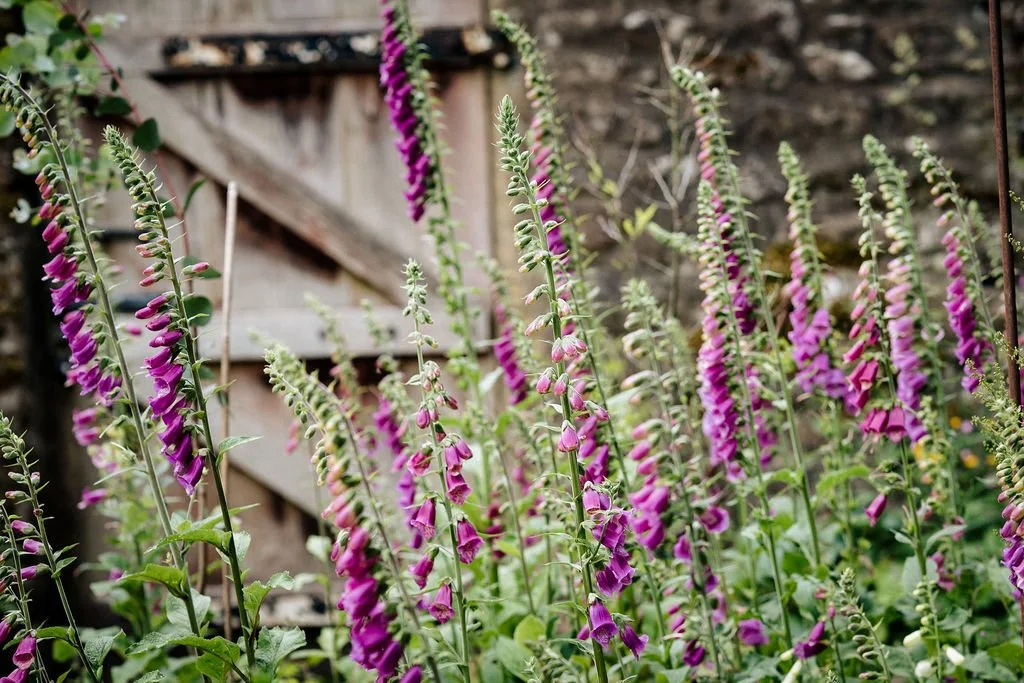
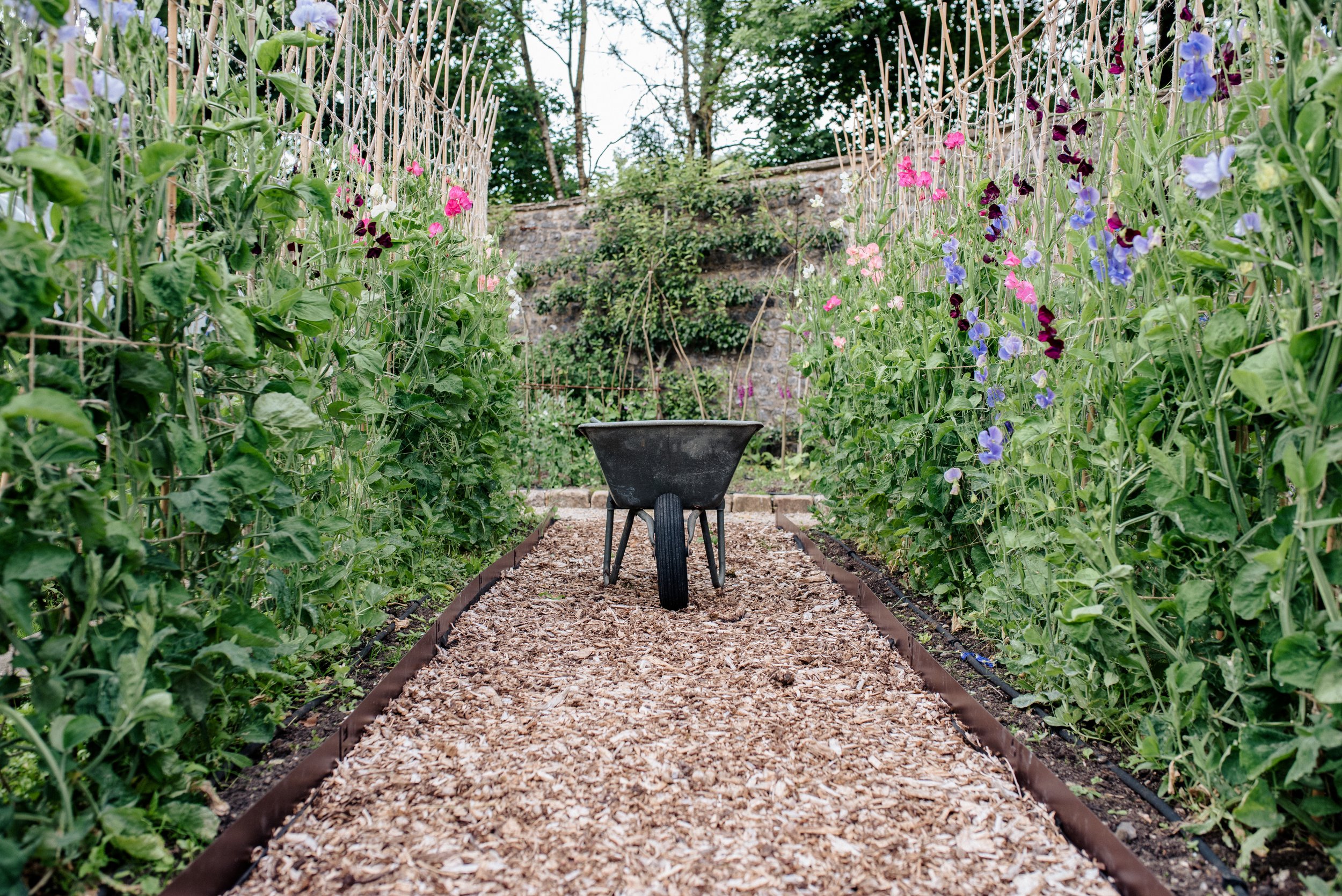
Secret Door Flowers is a cut flower farm near Skipton in the Yorkshire Dales
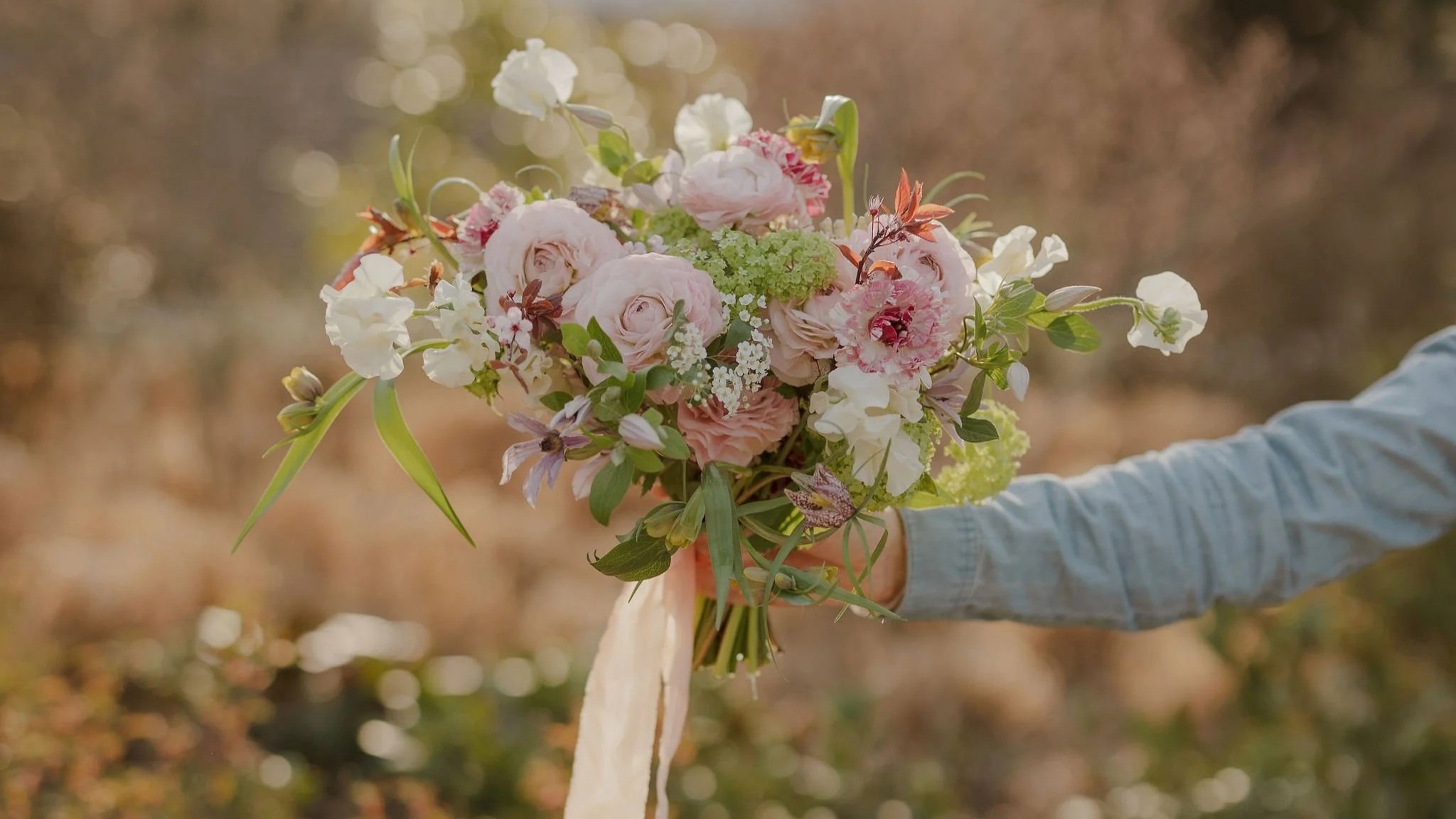
We grow and sell exceptional flowers from April to October for weddings, events, gifts, subscriptions, funerals and workshops.
As proud members of Flowers from the Farm, we use regenerative methods and all our products are chemical free.
Flowers for good
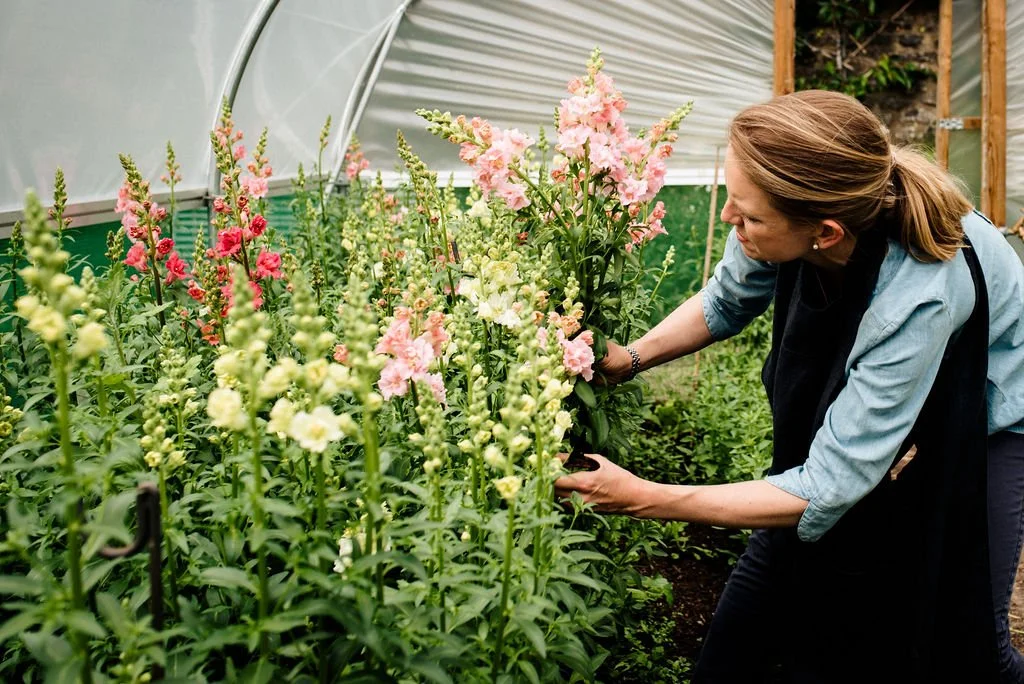
At Secret Door Flowers, working with and supporting nature is at the heart of everything we do. All our actions and purchases are carefully considered with these goals in mind:
Minimise carbon footprint
Employ soil and compost management techniques to encourage carbon storage, including no-dig, cover cropping, chop and drop, mulching with organic matter and diversified crops
We use a variety of our own mulches, including leaf mould, wood chip, chicken manure compost
Do not use heated tunnels or hydroponics but grow with the seasons relying on the sun’s natural warmth and light
All deliveries are by EV
Suppliers are carefully selected using British growers and manufacturers where possible
Plant and establish trees and shrubs for foliage production and to store carbon
Next step: to measure carbon footprint and soil carbon
Reduce waste
No single-use plastics. All plastics used on the farm are carefully looked after and used for as long as possible
Sustainable floristry techniques and mechanics (water, moss, willow, reusable vessels and wire). We do not use floral foam (Oasis) or replacement products
Packaging is limited to Kraft and tissue paper, twine and raffia. Bouquets are supplied in repurposed jam jars which customers are encouraged to reuse or return to our farm gate
Where possible buy second hand, e.g. plant pots from nurseries
Waste flowers and packaging are responsibly composted
Improve biodiversity
Diversified range of crops through the season; no mono-cropping
Crops are rotated each year for optimum soil health and to reduce nutrient depletion
Crops are left to die back naturally at the end of the season, providing food and shelter for invertebrates
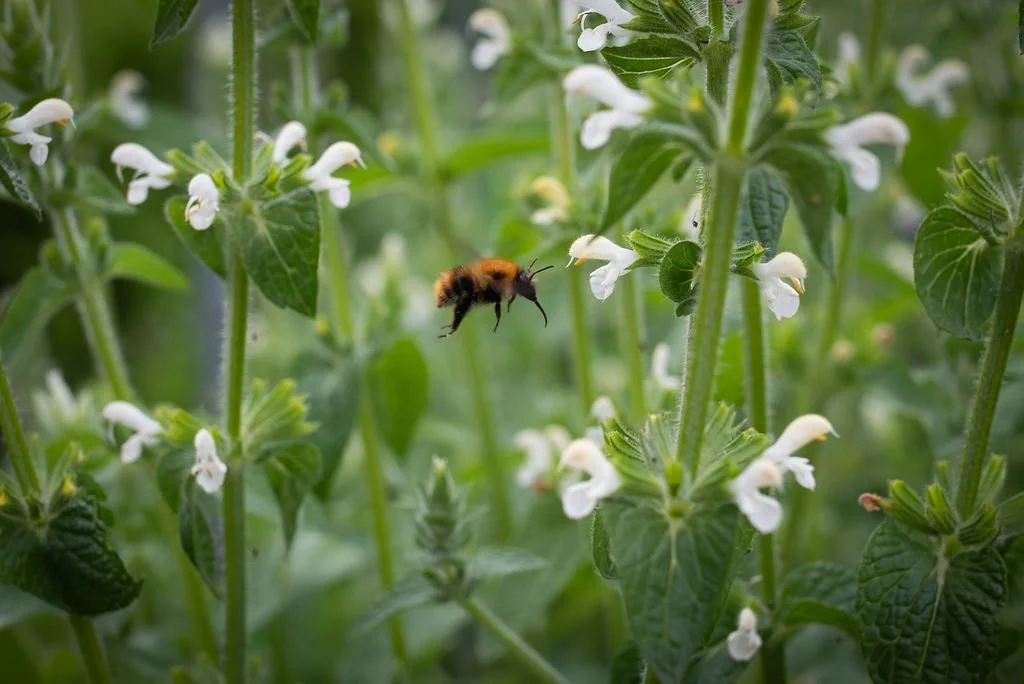
Variety of trees and shrubs to extend pollen days at either end of the flower season
No chemicals are used in growing or preserving our flowers
For pest control we use barrier methods, sticky traps or biological controls such as nematodes
Next steps: measure soil health; consider how we can measure biodiversity
Conserve water
Greater use of perennials which are more drought tolerant and require less water and other resources
Rainwater capture including underground water tank, gutters on polytunnel, barn and greenhouse feeding into barrels
Efficient irrigation using porous pipes rather than sprinklers
Next steps: review efficiency of irrigation for 2026 to include timers
Community
As a hyper-local business we exist to serve our community
Support community projects whenever possible
Pay people fairly and do not take on unpaid volunteers
Next step: 2026 open garden